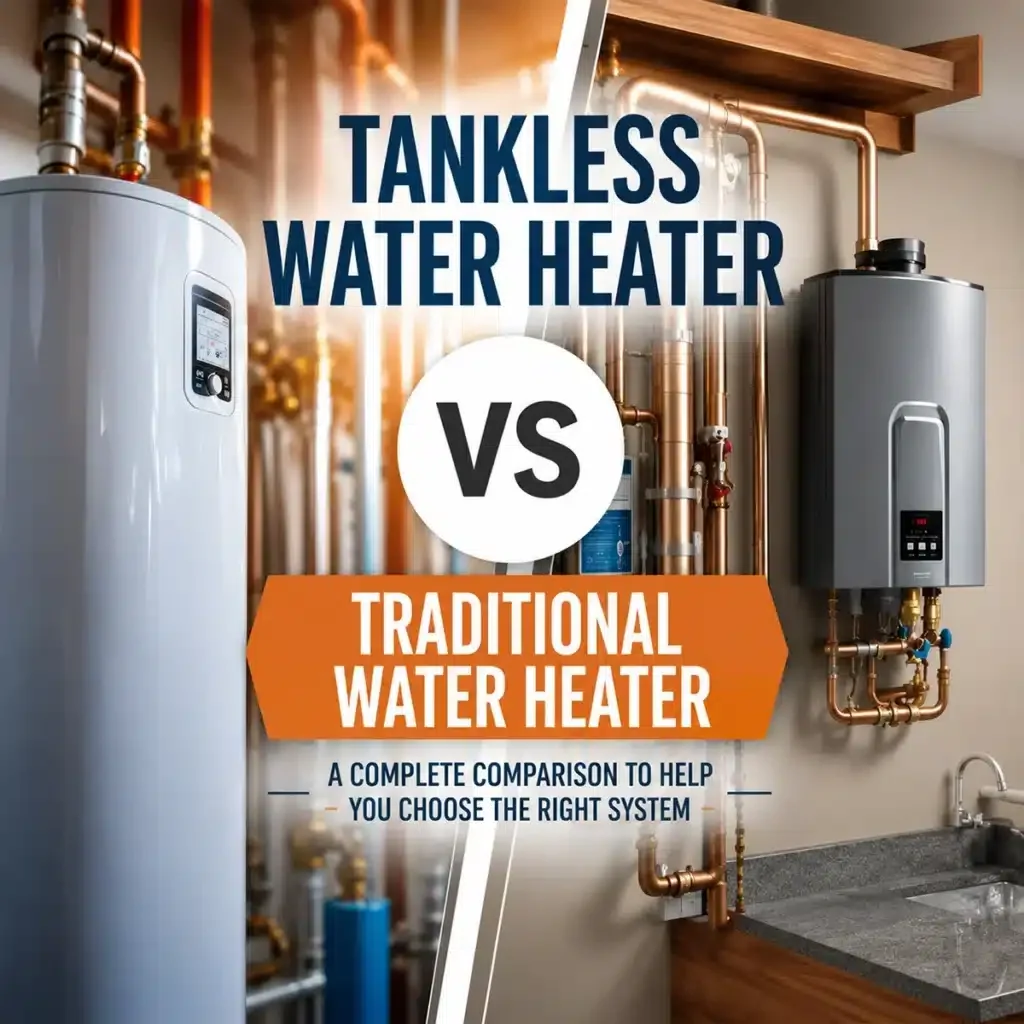
Tankless vs. Traditional Water Heaters: What Contractors and Homeowners Need to Know
Choosing between tankless water heaters and traditional tank systems isn’t just a product decision. It impacts install time, jobsite efficiency, long-term performance, and customer satisfaction. Across our markets—serving a mix of older homes, new construction, and everything in between—the right choice depends as much on field conditions as it does on system specs.
For contractors, the real question isn’t what looks best on paper. It’s what fits the job—based on available utilities, timeline, and customer expectations—and where to source it quickly. Wholesale Supply has what you need.
Understanding the Core Differences
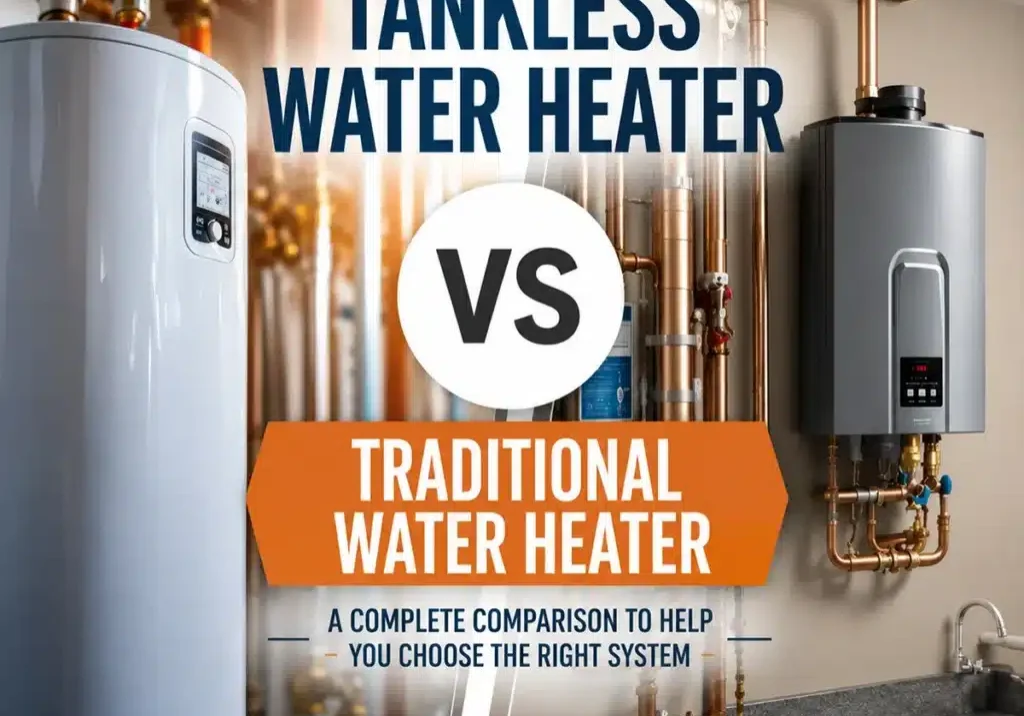
Traditional tank water heaters store and maintain a set volume of hot water, allowing for immediate use. Tankless systems heat water on demand using high-capacity burners or electric elements.
Tank systems are predictable. Lower upfront cost, simpler installs, and fewer variables make them a strong option—especially in replacement scenarios.
Tankless systems deliver efficiency, longer lifespan, and continuous hot water when sized correctly. They also save space. But they require planning. Gas supply, venting, and electrical capacity must be verified upfront.
At Wholesale Supply, we stock Ariston tank water heaters and Rinnai tankless systems, giving you proven options on both sides of the decision.
Installation Realities on Jobsites
Tank water heaters are typically straightforward, especially for replacements. Existing utilities often meet requirements, allowing for quick installs. That matters for emergency work and high-volume contractors.
Tankless systems require more prep. Gas lines may need upsizing. Venting may need to be reworked. Electrical upgrades are sometimes required.
Contractors who verify utilities early avoid delays. Those who don’t end up managing change orders and tighter margins.
Performance and Sizing Considerations
Tank systems provide consistent output because they store heated water. They handle fluctuations in incoming water temperature without major impact.
Tankless systems depend on flow rate and incoming water temperature. Undersized units can struggle under demand.
Proper sizing is critical. Slightly oversizing tankless systems in many applications helps maintain performance and reduce callbacks.
Efficiency, Operating Costs, and Long-Term Value
Tank systems win on upfront cost. They are practical for budget-driven projects but come with higher long-term energy use.
Tankless systems cost more upfront but reduce energy consumption and typically last longer.
ROI depends on the job. Rentals and low-usage homes often lean tank. Long-term homeowners and higher-demand households lean tankless.
Set expectations early. It prevents issues later.
Maintenance and Reliability
Tank systems are forgiving and easy to service.
Tankless systems require consistent maintenance. Descaling is critical to maintain performance.
This creates opportunity. Contractors who offer maintenance with tankless installs build recurring revenue and reduce service issues.
Inventory and Job Efficiency
Tank water heaters are widely stocked and easy to source, making them ideal for fast-turn jobs.
Tankless systems require more planning due to variation in models and parts.
Contractors who align product selection with available inventory keep jobs moving and protect schedules.
When Each System Makes Sense
Tank water heaters are the right call when speed, simplicity, and cost control matter most.
Tankless systems are a strong fit for efficiency-focused projects, space savings, and high-demand applications.
The decision should be driven by job conditions, not trends.
Final Takeaway
Both tank and tankless water heaters have a place across our markets. The difference comes down to fit.
Wholesale Supply supports both sides with Ariston tank water heaters and Rinnai tankless systems, backed by inventory, local service, and product knowledge across every location.
For current availability and to keep your jobs moving, visit www.wholesalesupply.us or stop by your nearest Wholesale Supply location. You can also connect with our outside sales team for larger projects.
Having the right product, in stock, when you need it—that’s how you win the job.
Related News
Wholesale Supply Group | Plumbing, Electrical, & HVAC Supply
Top 10 Plumbing Products Every New Home Build Needs

Faucet Trends for 2026: What’s Selling in Kitchens and Bathrooms Right Now
Same-Day Supply: How Fast Access to Materials Impacts Your Bottom Line
Tankless vs. Traditional Water Heaters: What Contractors and Homeowners Need to Know

Built to Supply. Trusted to Deliver.

Wholesale Supply’s Local Partner Benefits: Strengthening Business Through Service and Support
The Future of Home Power Distribution: Leviton Smart Load Centers

Kingston™ All-In-One Toilet: A Perfect Blend of Performance and Style