Faucet Trends for 2026: What’s Selling in Kitchens and Bathrooms Right Now
In today’s market, faucet selection isn’t just about style—it’s about speed, reliability, and meeting customer expectations without slowing down the job. Contractors are balancing tighter timelines, supply chain variability, and more informed clients who already have strong opinions before you even rough in the plumbing. Choosing the right faucet has become a practical decision that affects installation time, callbacks, and overall jobsite efficiency. Wholesale Supply carries trusted names like Kohler, Delta, Sterling, and Brizo… names you can trust for their fashion forward designs and durability.
So what’s actually moving right now? What are customers asking for—and more importantly, what’s holding up in real-world installs? Here’s a breakdown of the latest faucet design trends shaping kitchens and bathrooms in 2026, with a focus on what matters in the field.
Pull-Down Kitchen Faucets Continue to Dominate
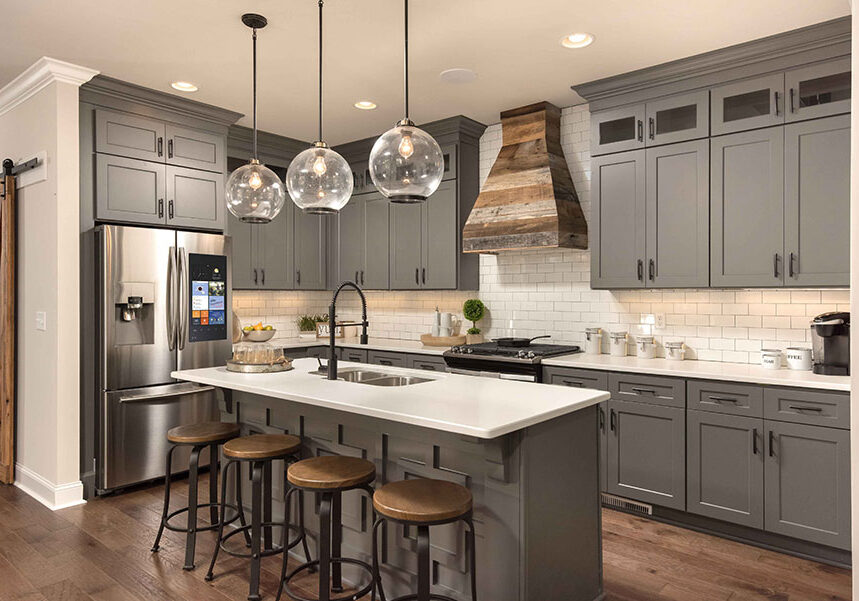
Pull-down kitchen faucets aren’t new, but they’ve solidified their position as the standard—not the upgrade. Homeowners expect them, and builders are spec’ing them by default in mid- to high-tier projects.
From a contractor standpoint, the appeal is straightforward:
- Easier installs compared to older multi-component sprayer setups
- Fewer leak points over time
- Cleaner deck layouts, especially in tighter kitchens
What’s changed recently is refinement. Manufacturers have improved:
- Docking systems (less sag over time)
- Hose durability
- Spray head functionality
Contractors are also seeing fewer warranty issues with higher-quality models, which translates to fewer callbacks—a win for everyone.
Jobsite insight: Keeping a couple of reliable pull-down models in stock—especially in brushed finishes—can save a trip when a homeowner changes their mind late in the project.
Matte Black and Brushed Finishes Are Leading the Pack
Chrome still exists, but it’s no longer the default choice in many homes. Matte black, brushed nickel, and brushed gold are now driving most faucet selections in both kitchens and bathrooms.
Why these finishes are sticking:
- Better at hiding water spots and fingerprints
- Align with modern and transitional design trends
- More forgiving in high-use environments
For contractors, this trend impacts inventory planning. Stocking only chrome is a gamble in 2026. Instead, the safer move is to carry:
- Matte black for modern builds
- Brushed nickel for broad compatibility
- Limited brushed brass/gold for higher-end jobs
Contractor efficiency angle: Standardizing a few go-to finishes reduces decision fatigue on-site and keeps installs moving when design selections aren’t finalized ahead of time.
Touchless and Smart Faucets Are Moving Into the Mainstream
Touchless faucets used to be a niche upgrade. Now, they’re showing up in standard residential builds—especially in kitchens.
The drivers:
- Hygiene awareness
- Convenience for busy households
- Integration with smart home systems
From an install perspective, these faucets add a layer of complexity:
- Power source (battery vs. hardwired)
- Sensor calibration
- Potential troubleshooting if not installed correctly
But manufacturers have simplified installation significantly over the past few years. Many systems now come with:
- Pre-assembled components
- Faster-connect supply lines
- Improved reliability in sensors
Real-world takeaway: If you’re installing one, stick with brands that have proven track records. Cheap touchless units can turn into service calls quickly—and that eats into your margins.
Minimalist Bathroom Faucets Are Replacing Bulky Designs
In bathrooms, the trend is clear: clean lines, low profiles, and simple operation. Bulky, over-designed faucets are being replaced with streamlined models that complement modern vanities and smaller spaces.
What’s selling:
- Single-handle faucets
- Wall-mounted options in higher-end builds
- Widespread faucets with simplified geometry
For contractors, these designs often mean:
- Faster installs (fewer parts, fewer adjustments)
- Easier alignment and finishing
- Better compatibility with pre-fab vanity tops
However, wall-mounted faucets require tighter coordination with rough-in measurements. If the spacing is off, it’s not a quick fix.
Jobsite insight: Double-check rough-in specs early when wall-mounted fixtures are in play. These installs leave less room for correction later.
Water Efficiency Without Performance Trade-Offs
Water-saving fixtures aren’t new, but the difference now is performance. Older low-flow faucets often sacrificed pressure. That’s no longer acceptable to homeowners—or contractors dealing with complaints.
Modern faucet designs are delivering:
- Stronger perceived pressure through aeration
- Consistent flow rates
- Compliance with tightening regulations
This matters especially in regions where efficiency standards are becoming stricter.
Contractor benefit:
- Easier to meet code requirements
- Fewer customer complaints about weak flow
- Broader product availability across price points
Pro tip: Not all “low-flow” faucets perform equally. Stick with models you’ve tested or had success with in the field.
Pre-Assembled and Quick-Install Features Are a Priority
One of the biggest shifts in faucet design isn’t visible to the homeowner—it’s happening underneath the sink.
Manufacturers are prioritizing:
- Pre-attached supply lines
- Tool-less mounting systems
- Faster-connect hardware
These features directly impact labor time. On multi-unit jobs or tight schedules, shaving even 10–15 minutes per install adds up quickly.
Why this matters now:
- Labor costs are up
- Skilled labor is harder to find
- Job timelines are tighter than ever
Contractors are increasingly choosing products based on install efficiency—not just price or appearance.
Real-world insight: A slightly higher-cost faucet that installs faster and avoids callbacks is often the better margin decision.
Availability and Consistency Are Driving Product Choices
Even in 2026, availability still plays a role in what gets installed. A faucet that looks great on paper doesn’t help if it’s backordered when you need it.
Contractors are prioritizing:
- Brands with consistent inventory
- Supply houses that maintain stock depth
- Products with interchangeable parts
This is where working with a reliable regional supply house becomes critical. Having access to in-stock, job-proven faucets keeps projects moving and avoids last-minute substitutions that can create delays or client dissatisfaction.
Contractor takeaway: Build a shortlist of dependable faucet models that are consistently available locally. It reduces risk across every job.
Conclusion: What Matters Most in 2026
Faucet trends in 2026 aren’t just about design—they’re about practicality. The products that are actually selling and performing well share a few key traits:
- Easy, predictable installation
- Reliable performance over time
- Finishes that hold up in real-world use
- Availability when you need them
Pull-down kitchen faucets, matte finishes, touchless technology, and minimalist bathroom designs are leading the way—but only when they support jobsite efficiency and reduce headaches.
For contractors and builders, the best strategy is simple: prioritize faucets that save time, reduce callbacks, and are readily available from trusted sources. That’s what keeps projects profitable and customers satisfied.
Before your next job, check with any of our 32 Wholesale Supply Group locations in TN, GA, AL, KY and NC, or go to whoilesalesupply.us to see what faucet models are in stock and moving consistently. Having the right products on hand—when you need them—can make all the difference between a smooth install and a delayed project.

Related News

Wholesale Supply Group | Plumbing, Electrical, & HVAC Supply

Top 10 Plumbing Products Every New Home Build Needs

Faucet Trends for 2026: What’s Selling in Kitchens and Bathrooms Right Now
Same-Day Supply: How Fast Access to Materials Impacts Your Bottom Line
Tankless vs. Traditional Water Heaters: What Contractors and Homeowners Need to Know

Built to Supply. Trusted to Deliver.

Wholesale Supply’s Local Partner Benefits: Strengthening Business Through Service and Support
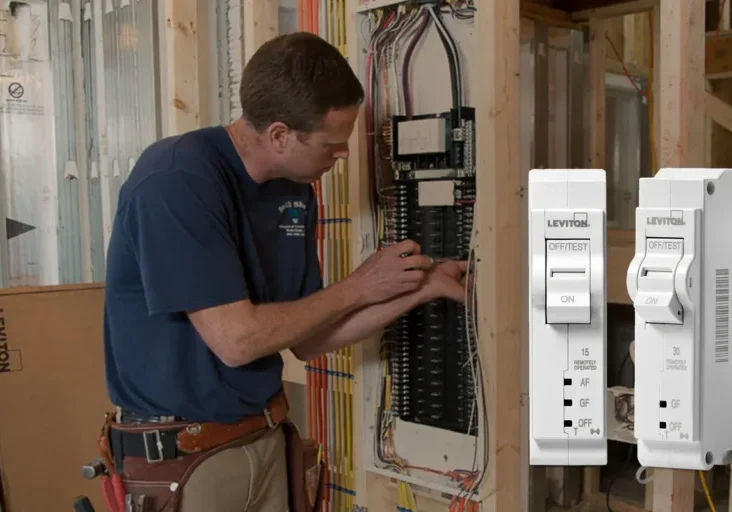
The Future of Home Power Distribution: Leviton Smart Load Centers

Kingston™ All-In-One Toilet: A Perfect Blend of Performance and Style